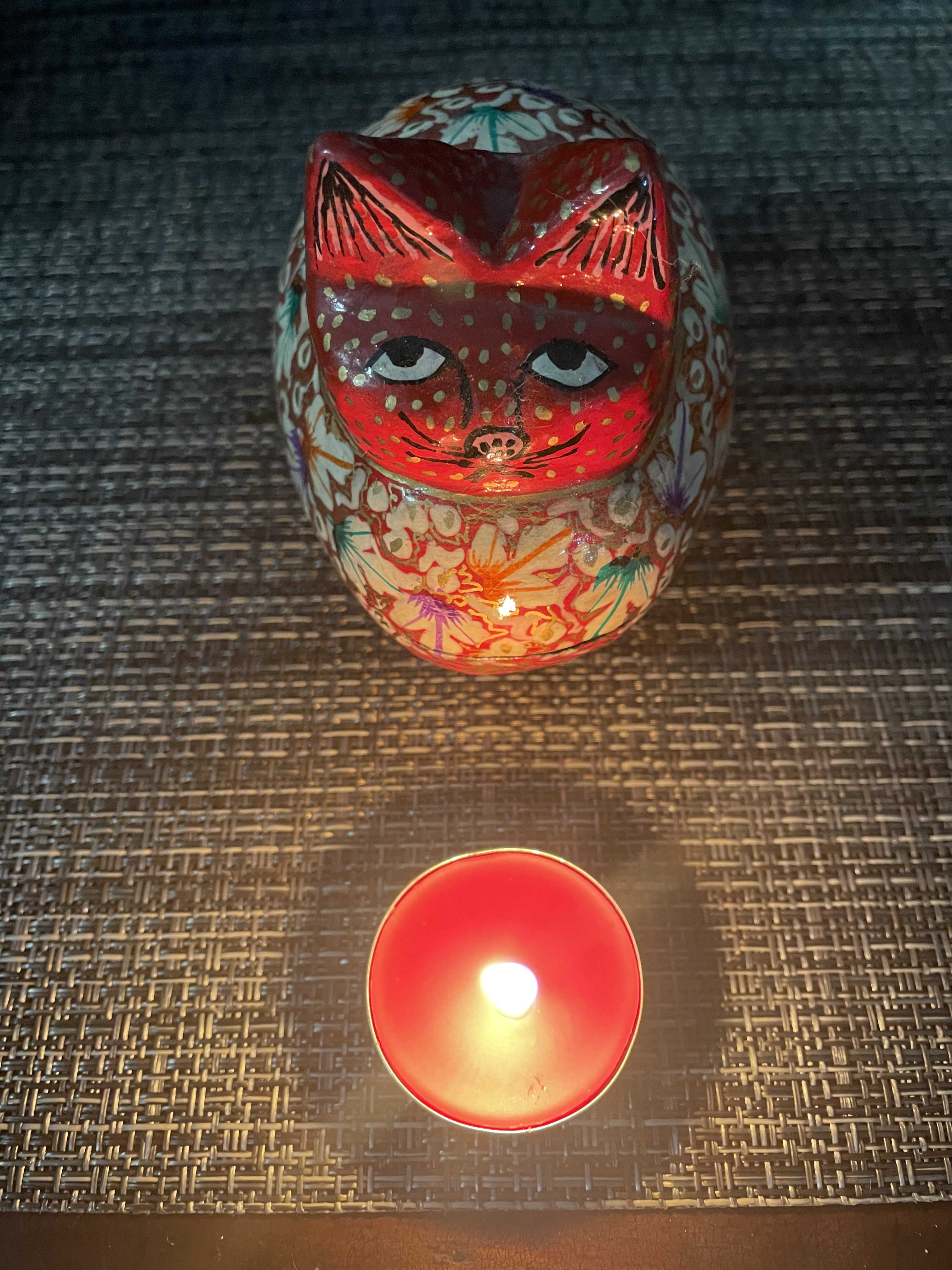
The winter solstice is observed by modern, neopagan Druids, as the longest night of the year. It is the beginning of the winter season. Solstice is the time when the Sun reaches its most northerly or southerly point in the sky to an observer on earth. Solstice is made up of two Latin words, sol, meaning “sun”, and sistere, meaning “to stand still”. Once the solstice passes, the Sun begins to move in the other direction until it reaches the other solstice, stands still, and begins to move back again.
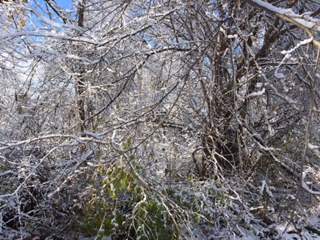
Druids celebrate the cycles of nature, and we honor the Nature Spirits, those spirits that share the natural world with us. At Solstice time, the return of the lengthening days, as portrayed by the return of the Sun, is an indication that the cycles of nature are starting once again and that the first stirrings of life will return. These first stirrings will be celebrated on Imbolc, or Oimelc, on or around 1 February.
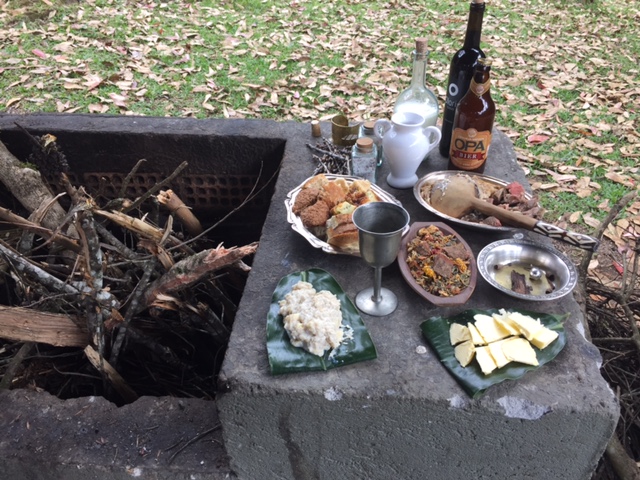
Druids see time as cyclical and not linear. There is no doubt that time moves forward. The days, weeks, months, and years move ahead and we get older. Yet, in the seasonal changes that we see moving around us, we also see those same cycles in our lives. We honor those repeating cycles by celebrating the seasonal changes like the solstice. As soon as the solstice passes, the days begin to lengthen. This gives us hope that our lives will celebrate the return as the Earth does in its seasons. We all have new beginnings, things that take seed, flourish and grow. In time, we harvest the fruits of our labors and then comes a time to harvest and rest. These are the seasons in our lives.
 A Druid's Progress